Area Real Estate News & Market Trends

You’ll find our blog to be a wealth of information, covering everything from local market statistics and home values to community happenings. That’s because we care about the community and want to help you find your place in it. Please reach out if you have any questions at all. We’d love to talk with you!

Sept. 20, 2026

RUPERT. I WAS BORN THERE.

Some quick facts about Rupert:

Rupert sits in the heart of Minidoka County in the Mini-Cassia area of southern Idaho. It offers small-town living anchored by agriculture, local community spaces, and easy access to outdoor recreation along the Snake River.

Rupert at a Glance


Category

Specification

Location

Minidoka County, Magic Valley region

ZIP Code

83350

Elevation

4,296 feet

Median Estimated Home Value

$273,000

Median List Price

$398,000

Homeownership Rate

71%

Median Household Income

$65,130

Major Employment Sectors

Agriculture, Manufacturing, Retail Trade, Health Care

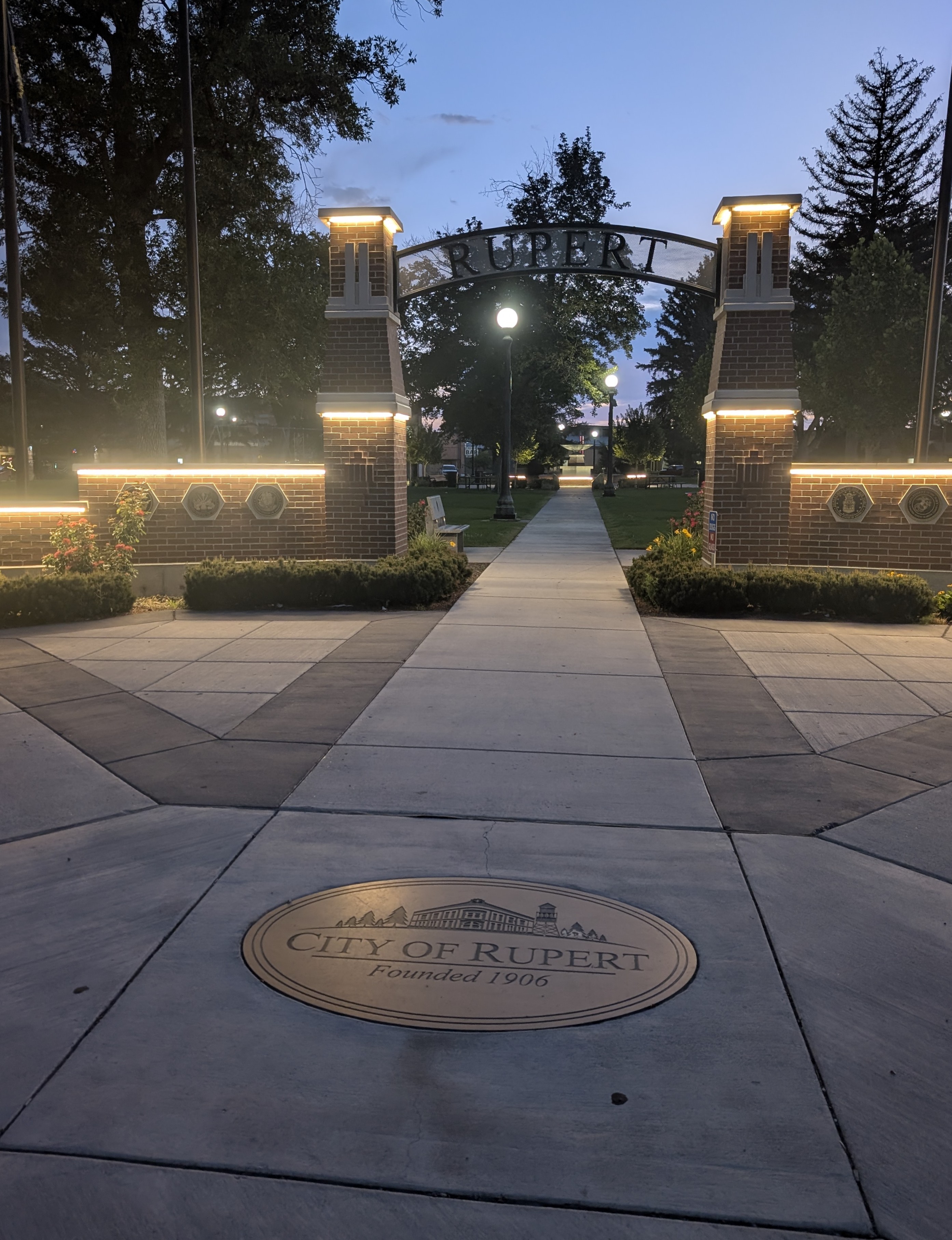
The Historic Rupert Town Square

The focal point of Rupert is its historic town square. Designed around a central park, the square features local retail shops, restaurants, and the historic Wilson Theatre. Throughout the year, it serves as the gathering hub for community events, farmers markets, and holiday celebrations.

Housing and Market Conditions

The Rupert residential market is primarily made up of single family properties, ranging from established homes in town to small acreages on the outskirts.

  • Inventory and Pricing: The median sale price sits at $343,750, with homes averaging roughly 57 days on the market.

  • Home Profiles: The area features a mix of older, well-kept classic homes alongside modern construction, with roughly 71% of properties being owner-occupied.

  • Building and Expansion: Residential development continues to see steady growth across Minidoka County, supported by new construction and renovation projects.

Schools and Community Services

Rupert is served by the Minidoka County School District, including local elementary schools, East Minico Middle School, and Minico High School. The DeMary Memorial Library provides educational programs, digital resources, and community workshops for residents.

Location and Commute

Rupert offers practical transit connections throughout the region:

  • Regional Access: State Highway 24 and nearby Interstate 84 connect Rupert directly to Burley across the river, as well as Twin Falls (roughly 45 minutes west) and Pocatello to the east.

  • Daily Commutes: Over 70% of working residents have a commute of less than 30 minutes.

  • Outdoor Access: Located just minutes from Lake Walcott State Park and the Snake River, offering boating, camping, and fishing.


Are you looking for more details on specific subdivisions or market trends around Minidoka County?

Posted in Move to Idaho
Aug. 25, 2025

Monthly Market Update - August 10, 2025

Today's Featured Property

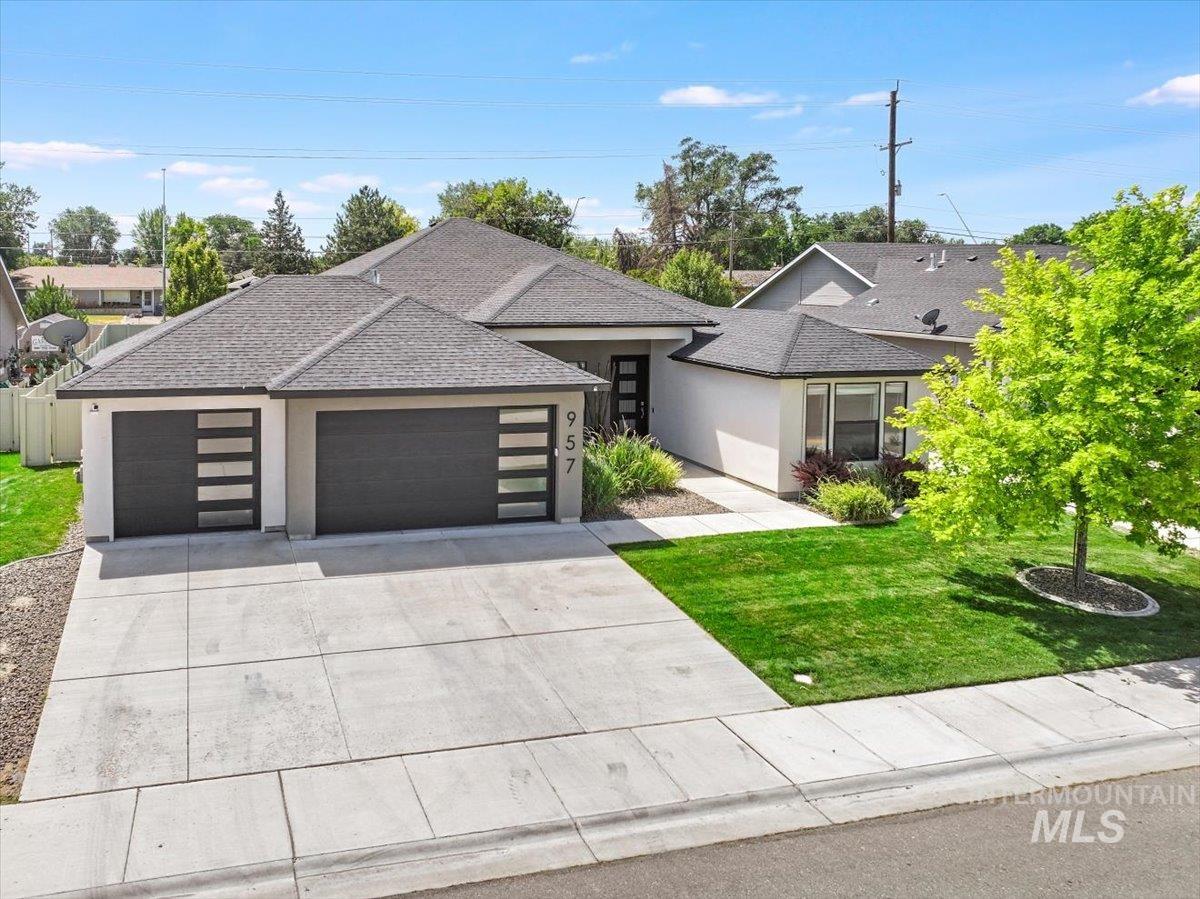
Address: 957 Birchton Loop, Twin Falls

Price: $550,000

Details: 3 bed, 2 bath, 2236 SQ FT

What makes this special: This is a modern home with great space, tall ceilings. They really make good use of every square foot.

Market Snapshot

New Listings Today: 107

Median Days on Market: 35

Median Price Sold : $365,000

Market Trend: Seller’s Market

Historical Data (Updated August 10, 2025)

Month
Median Price
Sales Volume
June
$$388.4K
$36.01 Million
May
$373.37K
$35.2 Million
April
$350K
$27.85 Million


Idaho Real Estate Insights

Today I want to share some thoughts about mortgage rates. Based on my experience in the Idaho market I don't believe interest rates will be dropping anytime soon. There might be some fluctuations; going up, going down, but we're not going to see anything like we saw a few years ago with interest rates in that 3% or even 4%. However, buyers might be able to get an interest rate in the 4%s with a permanent buy down. For my understanding they can only drop so much with these buy downs so I don't think it's possible to get down to 3%. This is when you need to talk to a lender. They would be more able to advise you on how to get the best mortgage rate in some cases it's not possible but it's worth talking to your lender.


Behind the Scenes

Caption: Morning workout routine - starting my week with energy and focus to better serve my clients!

Today in my real estate journey, I received a lead from my website—a luxury buyer with cash in hand looking to purchase a million-dollar property. I decided to refer this client to another agent.

This client was searching for homes in the Treasure Valley, which lies outside my Magic Valley area of expertise. While I've lived in the Treasure Valley previously, I'm not as familiar with its current market. I believed this buyer would benefit more from working with a realtor who specializes in that specific area. It's not about the paycheck; it's about ensuring clients receive the best possible guidance and representation.


Q&A Corner

Today's Question: "How's the real estate market?"

My Answer: The market is moving! If you're a seller, it's important to price your home right. Normally this would be considered a seller's market because homes are moving very quickly, but because of interest rates, there aren't that many buyers. So it's crucial for sellers to price their homes correctly.

For buyers, it's important to talk to a lender first - know where you are financially and what you're going to be comfortable with. Get with a realtor who can help guide you. If you don't know any lenders, realtors usually have preferred lenders or a group of professionals that would be able to help you out. Most importantly, be ready to make an offer when you find the right property.

Upcoming Events

Ask for a list of Open Houses happening in your area.

👋 Looking to buy or sell in Idaho? Let's connect! Call me at 208-308-9668 or email realtormoe@foreveridaho.com.

Follow my real estate journey on Instagram:

  • Instagram: @foreveridahorealestate


Posted in Market Updates
July 16, 2024

Rooted in the Rockies: Uncovering the Future of Homeownership in Idaho

Flowing water
Idaho Mountain Stream

Idaho, known for its breathtaking mountain landscapes, pristine lakes, and vast wilderness areas, has long been a haven for outdoor enthusiasts and nature lovers. But beneath its rugged exterior, the Gem State is also undergoing a transformation that's changing the face of homeownership. As the population grows and urban centers like Boise and Coeur d'Alene continue to thrive, the demand for housing is on the rise. Yet, with rising costs and changing demographics, the traditional notion of homeownership is evolving. In this post, we'll delve into the shifting landscape of homeownership in Idaho, exploring the trends, challenges, and opportunities that are reshaping the state's real estate market. From the rise of sustainable building practices to the impact of remote work on housing demand, we'll uncover the future of homeownership in Idaho and what it means for those looking to put down roots in the Rocky Mountains. 


1. Idaho's Booming Real Estate Market 

Nestled in the heart of the American West, Idaho is a treasure trove of natural beauty, outdoor recreation, and small-town charm. Dubbed the "Gem State" for its rich geological heritage, Idaho has long been a haven for those seeking a more relaxed pace of life amidst breathtaking scenery. However, in recent years, Idaho has undergone a transformation that's catapulted it to the forefront of the nation's real estate landscape. As the influx of new residents and businesses continues to surge, the once-sleepy towns of Idaho are now bustling with activity, and its real estate market is booming like never before. 

From the rugged grandeur of the Sawtooth Mountains to the picturesque lakeshores of Coeur d'Alene, Idaho's unique blend of natural beauty, economic prosperity, and small-town charm has made it an attractive destination for homebuyers, investors, and entrepreneurs alike. As the state's population continues to swell, driven by a thriving tech industry, a strong job market, and a desirable quality of life, the demand for housing is on the rise. With its laid-back atmosphere, stunning landscapes, and endless opportunities for outdoor adventure, it's no wonder that Idaho is rapidly emerging as a hub for homeownership in the American West. 

2. Understanding the Current State of Homeownership in Idaho 

Idaho's real estate market has been on a wild ride, and the landscape is still shifting. In recent years, the Gem State has experienced a boom of unprecedented proportions, with home prices skyrocketing and demand outpacing supply. The influx of new residents, fleeing the high costs of living in neighboring states like California and Washington, has created a perfect storm of competition for housing. As a result, the median home price in Idaho has risen steadily, making it increasingly difficult for first-time buyers and low-to-moderate-income families to get their foot in the door. 
 
This surge in popularity has also led to a construction frenzy, with new developments and subdivisions sprouting up across the state. However, this rapid growth has raised concerns about affordability, sustainability, and the impact on local communities. As the market continues to evolve, it's essential to understand the underlying factors driving this boom and how they will shape the future of homeownership in Idaho. By examining the current state of the market, we can begin to uncover the opportunities and challenges that lie ahead, and what it means for those looking to put down roots in the Gem State. 

3. Top 5 Trends Shaping the Future of Homeownership in Idaho 

As the Gem State continues to attract new residents and businesses, the landscape of homeownership in Idaho is undergoing a significant transformation. From the influx of remote workers to the increasing demand for sustainable living, several key trends are shaping the future of homeownership in Idaho. Here are the top 5 trends that are redefining the way Idahoans live, work, and play: 
 
From the mountains to the valleys, these trends are not only changing the way homes are built, bought, and sold, but also redefining the very notion of what it means to be a homeowner in Idaho. Whether you're a seasoned resident or a newcomer to the state, understanding these trends is crucial to navigating the complex and ever-evolving landscape of homeownership in the Gem State. 

4. The Rise of Out-of-State Buyers: What It Means for Idaho Residents 


As the allure of the Rocky Mountains continues to beckon, a significant shift is underway in Idaho's housing market. The influx of out-of-state buyers is reshaping the landscape of homeownership in the Gem State, and it's not just about the scenic views. This trend is driven by a perfect storm of factors, including the pandemic-induced desire for a more relaxed pace of life, the growing popularity of remote work, and the relative affordability of Idaho's real estate compared to neighboring states. As a result, outsiders are flocking to Idaho, drawn by the promise of a more laid-back lifestyle and a chance to own a piece of the American Dream. But what does this mean for Idaho residents, who are suddenly finding themselves priced out of their own backyard? The rise of out-of-state buyers raises important questions about the future of homeownership in Idaho, and whether the state's unique character will be preserved in the face of this rapid transformation. 

Working and enjoying Idaho

5. The Impact of Remote Work on Idaho's Housing Market 

As the remote work revolution continues to sweep the nation, Idaho's housing market is feeling the ripple effects. The Gem State's stunning natural beauty, outdoor recreation opportunities, and relatively affordable cost of living have made it an attractive destination for digital nomads and remote workers seeking a better quality of life. With the flexibility to work from anywhere, these individuals are flocking to Idaho's cities and towns, bringing with them a surge in housing demand. 
 
This influx of remote workers is driving up housing prices, particularly in popular areas like Boise, Coeur d'Alene, and Sun Valley. As a result, residents are facing increased competition for limited housing inventory, leading to higher prices and shorter days-on-market for available properties. Meanwhile, out-of-state buyers are snapping up properties, often sight unseen, to secure a foothold in the Idaho market. 
 
The remote work phenomenon is also changing the way people live and work in Idaho. With the rise of coworking spaces and remote-friendly amenities, communities are evolving to accommodate the needs of this new demographic. As a result, Idaho's housing market is becoming more diverse, with a growing demand for housing types that cater to remote workers, such as shared living spaces, tiny homes, and luxury apartments with high-speed internet and amenities. 
 
As the trend continues to shape the state's housing landscape, it's essential for Idahoans to understand the implications of remote work on their local communities and housing markets. By embracing this shift, the state can capitalize on the opportunities it presents, while ensuring that the unique character of Idaho's communities is preserved for generations to come. 

6. The Role of Technology in Idaho's Real Estate Industry 

As the Gem State continues to evolve, technology is playing an increasingly vital role in shaping the future of homeownership in Idaho. The real estate industry is undergoing a significant transformation, driven by innovations that are streamlining the home buying and selling process. From virtual home tours to AI-powered property valuations, technology is revolutionizing the way Idahoans navigate the real estate market. Online platforms are also making it easier for buyers to discover properties that fit their unique needs and preferences, while digital tools are enabling real estate agents to provide more personalized and efficient services to their clients. Furthermore, the rise of digital mortgage platforms is simplifying the financing process, reducing paperwork, and speeding up the time it takes to close a deal. As technology continues to advance, it's likely that Idaho's real estate industry will become even more efficient, transparent, and customer-centric, ultimately making the dream of homeownership more accessible to everyone. 

7. The Growing Demand for Sustainable and Eco-Friendly Homes 

As the Gem State continues to shine brightly, a new wave of homeowners is emerging, driven by a deep-seated desire to live in harmony with the environment. The growing demand for sustainable and eco-friendly homes in Idaho is a trend that's not only rooted in the state's natural beauty but also fueled by the increasing awareness of climate change and the need for responsible living. Homebuyers, particularly millennials and Gen Z, are seeking out homes that not only reduce their carbon footprint but also provide a healthier, more sustainable living space. This shift in consumer behavior is driving innovation in the construction industry, with builders and architects incorporating eco-friendly materials, energy-efficient systems, and cutting-edge green technologies into their designs. From net-zero energy homes to passive houses, the options for sustainable living in Idaho are expanding, and homeowners are reaping the benefits of reduced energy costs, improved air quality, and a clear conscience. As the demand for eco-friendly homes continues to grow, it's clear that the future of homeownership in Idaho is not only rooted in the Rockies but also rooted in a commitment to sustainability and environmental stewardship. 

8. How Idaho's Outdoor Recreation Opportunities Are Affecting Home Values 

As the sun rises over the rugged mountains and vast wilderness of Idaho, it's no secret that the state's unparalleled outdoor recreation opportunities are a major draw for residents and visitors alike. From hiking and biking to skiing and fishing, Idaho's great outdoors has become an integral part of the state's identity and appeal. But what may come as a surprise is the profound impact that these recreational opportunities are having on home values across the state. As more and more people seek to escape the hustle and bustle of city life and connect with nature, Idaho's scenic towns and communities are experiencing a surge in demand for housing, driving up property values and transforming the state's real estate landscape. In regions like Sun Valley, McCall, and Coeur d'Alene, where access to outdoor recreation is paramount, homes with proximity to trails, lakes, and mountains are commanding premium prices, as buyers are willing to pay top dollar for the opportunity to live amidst Idaho's natural beauty. As the state continues to evolve and grow, it's clear that Idaho's outdoor recreation opportunities will play an increasingly important role in shaping the future of homeownership in the Gem State. 

9. The Importance of Affordable Housing in Idaho's Future 

As the Gem State continues to shimmer with growth, the importance of affordable housing in Idaho's future cannot be overstated. The reality is that the very people who are driving Idaho's economic boom – teachers, nurses, and service industry workers – are often priced out of the very communities they serve. The consequences of this are far-reaching, from increased commuting times and transportation costs to decreased quality of life and community engagement. Furthermore, the lack of affordable housing options can lead to a shortage of skilled workers, stifling business growth and innovation. By prioritizing affordable housing initiatives, Idaho can ensure that its workforce is able to live, work, and thrive in the communities they call home. This, in turn, will have a profound impact on the state's overall economic vitality, social fabric, and environmental sustainability. As Idaho looks to the future, it's essential that affordable housing is at the forefront of the conversation, providing a foundation for a strong, resilient, and equitable community. 

10. Expert Insights: What Idaho Real Estate Professionals Are Saying 

As we delve deeper into the complexities of Idaho's housing market, it's essential to tap into the collective wisdom of those who know it best - the real estate professionals who call the Gem State home. We've gathered expert insights from top agents, brokers, and industry leaders to provide a boots-on-the-ground perspective on the future of homeownership in Idaho. 
 
From the rugged mountains to the scenic valleys, these professionals have their fingers on the pulse of the local market, navigating the twists and turns of supply and demand, regulatory changes, and shifting consumer preferences. Their voices offer a unique perspective on the trends shaping the state's housing landscape, from the rising popularity of secondary cities to the increasing importance of sustainable and eco-friendly living. 
 
In this section, we'll share their candid observations, predictions, and advice for prospective homeowners, sellers, and investors alike. Whether you're a native Idahoan or a newcomer drawn to the state's natural beauty and outdoor adventure, these expert insights will provide invaluable guidance as you navigate the ever-changing landscape of Idaho's real estate market. 

11. The Future of Homeownership in Idaho: Predictions and Projections 

As we gaze into the crystal ball of Idaho's real estate market, several trends and predictions begin to take shape. One of the most significant shifts on the horizon is the rise of sustainable and eco-friendly homes. With the growing awareness of environmental concerns, Idahoans are increasingly seeking out homes that not only reduce their carbon footprint but also promote a healthier living environment. Expect to see a surge in demand for energy-efficient features, solar panels, and eco-conscious building materials. 
 
Another trend that's likely to shape the future of homeownership in Idaho is the growing importance of community and connectivity. As the state's population continues to grow, homeowners are seeking out neighborhoods that offer a strong sense of community, walkability, and access to local amenities. This shift towards community-centric living is driving demand for mixed-use developments, townhomes, and condos that prioritize communal spaces and social interaction. 
 
Furthermore, the future of homeownership in Idaho will be heavily influenced by the influx of remote workers and digital nomads. With the rise of remote work, many individuals are no longer tied to specific locations, and Idaho's stunning natural beauty, outdoor recreation opportunities, and relatively low cost of living are making it an attractive destination for these digital migrants. This trend is expected to drive demand for homes with flexible, open spaces that can accommodate remote work setups and accommodate the needs of this growing demographic. 
 
As we look to the future, it's clear that Idaho's real estate market is poised for significant growth and transformation. By understanding these emerging trends and predictions, homeowners, buyers, and sellers can better navigate the changing landscape and uncover the opportunities that lie ahead. 

12. What It Means for Buyers, Sellers, and Renters Alike 

As the landscape of homeownership in Idaho continues to evolve, it's essential to consider the far-reaching implications for all stakeholders involved. For buyers, the shift towards more affordable and sustainable housing options signals a welcome change. No longer will they be priced out of the market by skyrocketing home values, and instead, they'll have access to a wider range of options that fit their budget and lifestyle. This, in turn, will lead to a more diverse and inclusive community, where homeownership is within reach for a broader demographic. 
 
Sellers, on the other hand, will need to adapt to a new reality where their homes may not appreciate at the same breakneck pace as in years past. However, this slowdown can also bring a sense of stability and predictability, allowing them to plan with greater confidence. Moreover, the increased focus on sustainable and eco-friendly features will attract a new wave of buyers who prioritize these values, potentially leading to a more loyal and dedicated customer base. 
 
Renters, too, will benefit from the changes afoot in Idaho's homeownership market. As more affordable housing options become available, they'll have a wider range of choices when it comes to finding a place to call home. Additionally, the rise of innovative rental models, such as community land trusts, will provide renters with a sense of security and permanence, allowing them to put down roots in the community without the burden of homeownership. As the future of homeownership in Idaho takes shape, one thing is clear: it's an exciting time to be a buyer, seller, or renter in the Gem State. 

13. Conclusion: Embracing the Future of Homeownership in Idaho 

As we conclude our journey through the evolving landscape of homeownership in Idaho, one thing is clear: the Gem State is poised for a bright future. From the rugged beauty of the Rocky Mountains to the vibrant cities and towns that dot the landscape, Idaho's unique blend of natural charm and economic opportunity has made it a magnet for individuals and families seeking a better quality of life. 
 
As we've explored throughout this series, the future of homeownership in Idaho will be shaped by a complex interplay of factors, including demographic shifts, technological advancements, and changing attitudes towards homeownership. But despite the challenges that lie ahead, there are also tremendous opportunities for growth, innovation, and collaboration. 
 
By embracing the future of homeownership in Idaho, we can create a more sustainable, equitable, and resilient housing market that benefits all Idahoans. This will require a commitment to innovation, a willingness to adapt to changing circumstances, and a deep understanding of the complex needs and desires of Idaho's diverse population. 
 
As we look to the future, we can be confident that Idaho's strong sense of community, its stunning natural beauty, and its unwavering optimism will continue to make it a beacon for those seeking a better life. And by working together to build a brighter future for homeownership in Idaho, we can create a state that is truly rooted in the Rockies, and proud to call home. 

 As the rugged landscape of Idaho's mountains gives way to thriving cities and towns, the dream of homeownership is within reach for many. In this article, we've uncovered the trends, opportunities, and challenges shaping the future of homeownership in the Gem State. From the influx of out-of-state buyers to the innovative solutions addressing affordability, we've explored the complexities of Idaho's housing market. As you navigate the path to homeownership in Idaho, remember that the roots of this journey are rooted in the Rockies - a region of untamed beauty, limitless possibility, and a bright future ahead. 

Posted in Move to Idaho
May 28, 2024

Beyond Price: 10 Creative Concessions to Negotiate with Home Sellers

Buyers and Sellers should both feel like winners during a real estate transaction

The thrill of finding your dream home can quickly turn into a daunting negotiation process. While the listing price is often the focal point of the transaction, savvy buyers know that there are many other creative concessions that can be negotiated with home sellers to sweeten the deal. From repairs and upgrades to seller financing and even personal property, there are numerous ways to structure a deal that benefits both parties. In today's competitive market, knowing how to negotiate effectively can make all the difference in securing the home of your dreams. In this post, we'll go beyond the sticker price and explore 10 creative concessions that you can negotiate with home sellers to get the best possible deal. Whether you're a seasoned buyer or a first-time homeowner, these insider tips will give you the upper hand in the negotiation process and help you walk away with a deal that's truly a win-win. 


Introduction to creative concessions in home buying 

When it comes to negotiating the purchase of a home, most buyers immediately think of one thing: price. And while the sale price is certainly a crucial aspect of the deal, it's not the only factor to consider. In fact, savvy buyers know that there are many other creative concessions that can be negotiated to sweeten the deal and make the purchase more appealing. These concessions can be especially valuable in competitive markets, where multiple offers are common, and buyers need to find ways to stand out from the crowd. 

By thinking outside the box and exploring beyond the sale price, buyers can negotiate a range of benefits that can save them money, reduce their stress, and even provide a sense of security and peace of mind. From repairs and renovations to warranties and services, there are many creative concessions that can be negotiated with home sellers. And the best part? These concessions can often be negotiated without sacrificing the sale price, making them a win-win for both buyers and sellers. In this post, we'll explore 10 creative concessions that buyers can negotiate with home sellers and provide tips on how to make them a part of your next home purchase. 

Why sellers are willing to negotiate?

When it comes to negotiating with home sellers, it's essential to understand the motivations behind their willingness to concede. Sellers are not just motivated by the almighty dollar; they have emotional, practical, and financial reasons for wanting to sell their property quickly and efficiently. Perhaps they're facing a job transfer, divorce, or financial strain, and a swift sale is crucial to their next steps. Maybe they're tired of the hassle and expense of maintaining a large property, or they're eager to downsize and simplify their lives. Some sellers may be shouldering two mortgages, and a rapid sale would alleviate the pressure of double payments. Whatever the reason, it's crucial to tap into these motivations and identify areas where you can offer creative concessions that benefit both parties. By doing so, you'll be well-positioned to negotiate a better deal that goes beyond the sticker price. 

Concession #1: Ask for a home warranty 

When it comes to negotiating with home sellers, it's easy to get caught up in price wars. But savvy buyers know that there are other creative concessions to be had, ones that can sweeten the deal and provide long-term value. One such concession is asking for a home warranty. This often-overlooked perk can be a game-changer for buyers, providing peace of mind and protection against unexpected repair costs. 

A home warranty typically covers major systems and appliances in the home, such as the HVAC, plumbing, and electrical systems, as well as kitchen appliances and other fixtures. If something breaks or fails, the warranty kicks in, and the buyer is spared the financial burden of repairs or replacement. This can be especially beneficial for buyers who are purchasing an older home or one that's been previously owned. 

By asking for a home warranty as a concession, buyers can shift the risk from themselves to the seller and gain a sense of security and confidence in their purchase. It's a win-win for both parties, as the seller can attract more buyers with this added incentive, and the buyer can enjoy the benefits of a worry-free homeownership experience. 

Concession #2: Request a credit towards closing costs 

One of the most significant hurdles in the home buying process is the daunting task of gathering enough funds to cover the myriad of closing costs that come with finalizing a sale. From appraisal fees to title insurance, these expenses can add up quickly, leaving buyers feeling financially drained. By requesting a credit towards closing costs, you can alleviate some of this burden and make your offer more attractive to the seller. 

Here's how it works: instead of asking the seller to lower the sale price, you request a credit at closing to offset some or all the costs associated with finalizing the sale. This concession can be especially appealing to sellers who are motivated to close the deal quickly, as it provides a clear benefit to both parties. For example, if you're purchasing a $500,000 home, you could ask the seller for a $5,000 credit towards closing costs, which would bring the net sale price down to $495,000. This creative concession not only saves you money but also demonstrates your flexibility and willingness to work with the seller, potentially giving you an edge in competitive negotiations. 

Concession #3: Negotiate for repairs or replacements 

When it comes to negotiating with home sellers, one of the most effective concessions to request is for repairs or replacements. This can be a game-changer, especially if you've identified some issues with the property during the inspection process. By asking the seller to take care of these repairs or replacements, you can save yourself thousands of dollars in the long run. For example, if the inspection reveals that the roof is nearing the end of its lifespan, you could request that the seller replace it before closing. This not only gives you peace of mind but also increases the value of the property. 

Alternatively, you could ask the seller to credit you back at closing for the repairs or replacements, giving you the flexibility to handle them on your own timeline. This concession can be especially appealing to sellers who are motivated to close the deal quickly, as it shows that you're willing to work together to find a mutually beneficial solution. By negotiating for repairs or replacements, you can create a win-win situation that sets you up for success as a homeowner. 

Concession #4: Get a free home inspection 

When it comes to negotiating with home sellers, it's essential to think outside the box and explore creative concessions that can give you an edge in the negotiation process. One such concession that can be a game-changer is asking the seller to throw in a free home inspection. This may seem like a minor request, but it can have a significant impact on the overall transaction. 

A home inspection can be a costly and time-consuming process, typically ranging from $300 to $1,000 or more, depending on the location and type of property. By asking the seller to cover this expense, you're not only saving money but also gaining valuable insights into the property's condition. This can be especially useful if you're a first-time homebuyer or unfamiliar with the process. 

Moreover, a free home inspection can also give you leverage to negotiate further. If the inspection reveals any issues or defects, you can use this information to request repairs or credits, which can ultimately reduce the sale price. Additionally, having a thorough understanding of the property's condition can provide peace of mind and help you avoid costly surprises down the road. 

By negotiating a free home inspection, you're demonstrating to the seller that you're a savvy and informed buyer who's willing to work together to find a mutually beneficial agreement. This can help build trust and create a more collaborative atmosphere, ultimately leading to a smoother and more successful transaction. 

Concession #5: Ask for a rent-back agreement 

The art of negotiation is all about finding creative solutions that benefit both parties. In the case of concession #5, a rent-back agreement can be a win-win for both the buyer and the seller. Here's how it works: the seller agrees to allow the buyer to rent the property back to them for a certain period of time after the sale is complete. This can be a huge advantage for the seller, who may need some extra time to find a new home or plan for their next move. And for the buyer, it's a great way to build some goodwill and establish a positive relationship with the seller. In exchange for this concession, the buyer may be able to negotiate a better price or other favorable terms. It's a clever way to think outside the box and come up with a solution that works for everyone involved. Plus, it's a great way to differentiate yourself from other potential buyers and show that you're willing to work together to find a mutually beneficial agreement. 

Concession #6: Request a credit towards appliances or upgrades 

When it comes to negotiating with home sellers, it's essential to think outside the box and consider creative concessions that go beyond the standard price reduction. One such concession that can sway the deal in your favor is requesting a credit towards appliances or upgrades. This approach can be a win-win for both parties, as it allows the seller to maintain their asking price while providing you with a valuable incentive to finalize the sale. 

Imagine being able to upgrade your kitchen with new, high-end appliances or install new hardwood floors without having to dip into your own pocket. By requesting a credit towards these upgrades, you can essentially get the amenities you want without breaking the bank. This concession can be especially appealing if the seller is motivated to sell quickly, as it provides a tangible benefit that can seal the deal. 

To make this request even more compelling, consider doing your research beforehand to identify specific upgrades or appliances that would add significant value to the property. This will not only demonstrate your enthusiasm for the property but also give the seller a clear understanding of what you're looking for in terms of concessions. By thinking creatively and negotiating a credit towards appliances or upgrades, you can walk away with a fantastic deal that meets your needs and exceeds your expectations. 

Concession #7: Negotiate for a faster closing 

In today's fast-paced real estate market, time is of the essence. As a savvy buyer, you can use this to your advantage by negotiating for a faster closing. This concession can be a game-changer, especially for sellers who are motivated to move quickly. By offering to expedite the closing process, you can sweeten the deal and make your offer more attractive. This could be particularly appealing to sellers who are facing a looming deadline, such as a relocation or a pending foreclosure. By negotiating for a faster closing, you can not only save time but also potentially save money on interim financing costs and other expenses associated with a longer closing period. Additionally, a faster closing can give you a sense of security and peace of mind, knowing that the deal is done and you can start making plans for your new home. So, don't be afraid to throw this concession into the mix and see how it can work in your favor. 

Concession #8: Get a home decor or appliance package 

Imagine walking into your new home, surrounded by the perfect blend of style and functionality. The seller has thoughtfully included a home decor or appliance package, tailored to your tastes and needs. This concession is a game-changer, especially for first-time homebuyers or those who are moving into a new city. It's a thoughtful gesture that can make the entire buying experience feel more personalized and indulgent. 

The possibilities are endless: a state-of-the-art smart TV, a sleek kitchen appliance bundle, or even a professionally curated art collection. The seller could offer to include a few essential pieces of furniture, such as a plush area rug or a stylish dining set, to help you get settled in quickly. This concession not only adds value to the property but also creates a sense of warmth and welcoming, making the home feel truly yours from the moment you step inside. By negotiating a home decor or appliance package, you can turn a house into a home, and create a lasting impression that will make the seller's concession a worthwhile investment. 

Concession #9: Ask for a permanent mortgage buydown. 

Asking the seller to pay for a permanent mortgage buydown can be a savvy negotiation tactic for homebuyers, offering a multitude of benefits. For one, it can significantly reduce the buyer's monthly mortgage payments, making homeownership more affordable and increasing their purchasing power. A permanent mortgage buydown involves the seller paying a lump sum to the lender, which in turn reduces the buyer's interest rate for the life of the loan. This can result in substantial savings over the long term, freeing up more money in the buyer's budget for other expenses or investments. Additionally, a permanent mortgage buydown can also provide a competitive advantage in a crowded market, setting the buyer's offer apart from others and potentially winning over the seller. By asking the seller to foot the bill, buyers can reap the financial benefits of a lower interest rate without having to sacrifice their own cash reserves. 

Concession #10: Request a credit towards home maintenance 

When it comes to negotiating with home sellers, thinking outside the box can be a game-changer. One creative concession you can request is a credit towards home maintenance. This can be a win-win for both parties, as it addresses a common concern for buyers while also providing a unique selling point for sellers. 

Here's how it works: instead of asking for a reduction in the sale price, you can request that the seller provide a credit towards home maintenance costs, such as repairs, replacements, or upgrades. This credit can be used to offset the expenses associated with maintaining the property, giving buyers a sense of security and relief. 

For example, you could ask the seller to provide a $1,000 credit towards the replacement of the outdated HVAC system or the repair of a leaky roof. This not only benefits the buyer but also gives the seller an opportunity to showcase their commitment to the property's upkeep. By offering this concession, sellers can demonstrate their willingness to work with the buyer and provide a sense of transparency and accountability. Plus, it can be a major selling point, especially for first-time homebuyers who may be intimidated by the prospect of unexpected maintenance costs. 

Tips for effectively negotiating concessions 

When it comes to negotiating concessions with home sellers, it's essential to approach the conversation with a strategic mindset. Here are some valuable tips to keep in mind: 

First and foremost, do your homework. Research the market value of the property and identify any potential flaws or needed repairs that could be used as leverage in your negotiation. Be respectful and courteous in your approach, but also be clear and direct about what you're asking for. Remember, the seller wants to sell, and you want to buy %u2013 it's a mutually beneficial transaction. 

Timing is also crucial. If you're making an offer on a property that's been on the market for a while, the seller may be more willing to negotiate concessions. Similarly, if you're able to plan quickly, the seller may be more inclined to work with you. 

It's also important to prioritize your requests. Don't ask for everything under the sun %u2013 focus on the concessions that are most important to you and be willing to compromise on others. And finally, be prepared to explain why you're requesting certain concessions. Providing a clear, logical reason for your request can go a long way in building trust and credibility with the seller. 

By following these tips, you'll be well-equipped to negotiate creative concessions that benefit both you and the seller, and ultimately help you secure the deal you want. 

Conclusion: Think beyond the price 

In the end, it's essential to remember that negotiating a home purchase is not just about the price tag. While it's natural to focus on the bottom line, savvy buyers know that there are many other creative concessions that can be negotiated to sweeten the deal. By thinking beyond the price, you can unlock a world of possibilities that can benefit both you and the seller. 

From requesting repairs and replacements to negotiating for extras like appliances and furniture, the possibilities are endless. By being informed, flexible, and respectful, you can craft a deal that meets your needs and leaves both parties feeling satisfied. So, the next time you're in a home purchase negotiation, don't be afraid to think outside the box and explore the many creative concessions that can make all the difference. With a little creativity and perseverance, you can turn a good deal into a great one. 

As you navigate the complex and often competitive world of home buying, it's essential to think outside the box and get creative with your negotiations. By going beyond the traditional price haggling and exploring these 10 innovative concessions, you'll be well-equipped to seal the deal and land your dream home. Remember, it's not just about the bottom line - it's about finding the perfect fit for you and your family. With these clever concessions up your sleeve, you'll be able to negotiate like a pro and make your homeownership dreams a reality. So, what are you waiting for? Start negotiating your way to success! 
Posted in Buying a Home
April 19, 2024

Navigating the Dance of Mortgage Rates and Home Prices

Featured Image


Understanding the Interplay Between Mortgage Rates and Home Prices
 
The Current Scenario 
 
In recent times, mortgage rates have experienced a rapid uptick, soaring from a mere 3.4 percent in January of 2022 to 7.07 percent by November. This sharp incline has drawn parallels to the 1994 mortgage rate spike, which witnessed rates soar from less than 7 percent to 9.11 percent within a year. 
 
The Role of the Federal Reserve 
 
The Federal Reserve plays a pivotal role in shaping mortgage rates. In both 1994 and today, the Fed took decisive action to curb inflation, resulting in elevated rates. However, the future course of action remains uncertain. If inflation subsides and economic growth slows, rates may retreat. Conversely, if inflation persists, rates could continue on their upward trajectory. 
 
The 1994 Narrative 
 
Back in 1994, the U.S. economy emerged from a period of adversity marked by the savings and loan crisis and the Gulf War. As the economy heated up, the Fed swiftly raised rates—from 3 percent at the start of 1994 to 6 percent by year-end. The markets were caught off guard due to limited communication channels compared to the current era of transparency. Mortgage rates bore the brunt of the central bank's battle against inflation. 
 
The Impact on Home Prices 
 
Now, let's address the crux: How do mortgage rates influence home prices? 
 
Buyer Behavior: When rates decrease, potential buyers emerge from the shadows. The allure of lower borrowing costs entices them to act. This influx of demand can potentially lead to a surge in home purchases. 
 
Price Growth: As buyers compete for limited housing inventory, bidding wars ensue. Eager to secure a home, some offer more than the listing price. This heightened demand can drive prices upward. 
 
Affordability: Lower rates improve affordability. Buyers can qualify for larger loans, potentially causing bidding wars and driving up prices. However, this effect is not always linear. 

 The Tug-of-War 

 However, there is a twist: the balance of supply and demand is the ultimate deciding factor. If supply remains scarce, prices will inevitably surge. On the other hand, if an influx of homes hits the market, the effect of lower rates on prices could be subdued. 
 
The Crystal Ball 
 
Attempting to predict the precise result is akin to peering into a mystical crystal ball. While past experiences offer insights, the current economic climate presents new variables. Keep a close watch on inflation, economic growth, and the Federal Reserve's actions—they hold the key to how the tango between mortgage rates and home prices will unfold. 
 
In conclusion, the intricate interplay between mortgage rates and home prices continues to captivate. As rates fluctuate, so too do the fortunes of both home buyers and sellers. Strap in, as it promises to be a crazy ride! 

April 7, 2024

Using a Realtor to Find a Local Lender: A Smart Move for Homebuyers

Purchasing a home is a significant milestone, and navigating the complex process can be overwhelming, especially for first-time buyers. One crucial aspect of buying a home is securing a mortgage, and that’s where a realtor can play a vital role. In this blog post, we’ll explore the advantages of relying on your realtor’s expertise to connect you with a local lender.

Pros of Using Your Realtor’s Preferred Lender 

  1. Expertise and Knowledge: Realtors are seasoned professionals who understand the ins and outs of the real estate market. They’ve likely worked with various lenders and can provide valuable insights. Listening to your realtor’s recommendation for a lender is a smart move.

  2. Efficiency: Your realtor can streamline the process by connecting you with a trusted local lender. They’ll coordinate essential tasks like appraisals, making the homebuying journey smoother.

  3. Relationships: Realtors often have established relationships with lending teams. They know how these lenders perform, their responsiveness, and their track record. Trusting your realtor’s judgment can save you time and effort.

Common Questions About Lender Referrals 

Let’s address some common queries related to realtor-recommended lenders:

  1. Can a Seller or Realtor Require You to Use a Specific Lender?

    • No, you cannot be compelled by a homeowner, builder, or your realtor to work with a specific lender. The choice remains yours.
  2. Do Sellers Prefer Local Lenders?

    • Some sellers may favor local lenders due to their reputation for efficient service. However, many sellers won’t be overly concerned about the lender you choose.
  3. Are You Obligated to Stick with a Lender After Pre-Approval?

    • If you accept a referral and get pre-approved by a lender, you’re not bound to proceed with them. However, switching to a different lender means going through the qualification process again.

Balancing Realtor Advice and Independent Research 

While trusting your realtor’s recommendation is essential, it’s equally crucial to do your own due diligence. Here’s how:

  1. Research Lender Reviews: Investigate lender reviews online. Look for feedback from other homebuyers who’ve worked with the recommended lender.

  2. Seek Personal Recommendations: Ask friends, family, and colleagues about their experiences with local lenders. Personal referrals can provide valuable insights.

Conclusion 

In summary, using your realtor’s preferred lender can be advantageous, but it’s essential to combine their advice with independent research. Ultimately, finding the right local lender ensures a smooth mortgage process and brings you one step closer to owning your dream home.

Remember, your realtor is your ally in this journey, and their expertise can guide you toward the best lending options. Happy house hunting! 🏡🔑

Posted in Home Mortgage
March 30, 2024

How Do You Know When to Buy a Home?

Deciding when you’re ready to buy a home is a significant milestone. It’s not just about

financial readiness; it also involves considering your lifestyle and long-term goals. Let’s

delve into the key signs that indicate you might be ready for homeownership:


Financial Signs You’re Ready:

Stable Income: Having a steady source of income is crucial. Whether it’s a traditional 9-

to-5 job, self-employment, or income from your small business, lenders assess your

eligibility based on your income. A stable job history and consistent earnings

demonstrate your ability to handle mortgage payments.

Down Payment: Accumulating enough for a down payment takes time. Most lenders

require at least 3% (FHA loans typically require 3.5%). For instance, if you’re eyeing a

$350,000 home, a 3% down payment would be $10,500. Remember to factor in closing

costs (2-5% of the purchase price).

Good Credit Score: Lenders scrutinize your credit score. A higher score translates to

better mortgage rates and terms. Even a slight difference in interest rates can

significantly impact your overall loan cost. Aim for a strong credit profile.

Affordability: Owning a home involves more than just the mortgage. Consider property

taxes, insurance, maintenance, and repairs. Use affordability calculators to gauge your

comfort level. Ensure you can maintain your lifestyle while meeting homeownership

costs.

Debt-to-Income Ratio (DTI): Lenders evaluate your total debt relative to your income. A

healthy DTI indicates you can manage additional debt. Keep your existing debts in

check.

Lifestyle Signs You’re Ready:

Settling Down: If you’re ready to put down roots (even temporarily), homeownership

might be right for you. Consider stability in your job, family, and community.

Space Needs: Evaluate your space requirements. How many bedrooms do you need?

Will it accommodate a growing family? Think about your lifestyle and future needs.

Neighborhood Preferences: Define your ideal neighborhood. Consider proximity to

work, schools, amenities, and safety. Research different areas to find the right fit.

Commute Tolerance: Assess how far you’re willing to commute. A longer commute may

impact your daily life, so strike a balance between location and convenience.

Remember, buying a home is a significant commitment. Take your time, weigh the pros

and cons, and consult with professionals. When both financial readiness and lifestyle


alignment align, you’ll know you’re ready to embark on the exciting journey of

homeownership! ??


For more detailed information, you can reach out to Moe at Westerra Real Estate Group

and his team of qualified professionals. Happy house hunting! ??

March 28, 2024

Why You Should Buy a House in Idaho Now

1. Favorable Market Conditions 

Idaho’s real estate market is currently in a unique position. While it remains one of the hottest markets in the nation, there are compelling reasons to buy sooner rather than later. Let’s delve into these factors: 

a. Growing Inventory 

Until recently, Idaho experienced a surge in housing demand, leading to overpriced homes and intense competition among buyers. However, the tide is turning. Growing inventory means more options for buyers. You’re no longer limited to a handful of properties; instead, you have a broader selection to choose from. 

b. Price Adjustments 

Over the past six months, we’ve witnessed price adjustments. Some homes have dropped significantly—up to $75,000 or more—to attract buyers. This trend benefits those looking to enter the market or upgrade their existing homes. 

2. Idaho’s Desirable Features 

a. Natural Beauty 

Idaho offers breathtaking landscapes, from majestic mountains to serene lakes. Whether you’re an outdoor enthusiast or simply appreciate scenic beauty, Idaho’s natural wonders are unparalleled. 

b. Affordability 

Compared to many other states, Idaho boasts a relatively affordable cost of living. Housing prices, while rising, remain more reasonable than in major metropolitan areas. 

c. Strong Job Market 

Idaho’s economy is anchored by science and technology fields. The state’s job market is robust, making it an attractive destination for professionals and families. 

3. Mortgage Considerations 

a. Down Payment Flexibility 

While a 20% down payment is typical, government-backed loans (such as VA and FHA) allow for lower down payments—sometimes even 0%. Conventional loans also accept down payments as low as 3-5%. Consider your financial situation and explore these options. 

b. Interest Rates 

Mortgage rates fluctuate, but locking in a property now can protect you from potential rate increases. Idaho’s average 30-year fixed mortgage rate is currently 7.06%, emphasizing the urgency to act. 

4. Expert Guidance 

Navigating the real estate market requires expertise. Engage a local realtor who understands Idaho’s nuances. They’ll help you explore financial options, negotiate deals, and find your dream home. Remember, hiring an agent doesn’t cost you extra—the seller typically covers their fees. 

Conclusion 

In summary, Idaho’s housing market presents a unique window of opportunity. With growing inventory, adjusted prices, and favorable conditions, buying a house now is a strategic move. Whether you’re a first-time buyer or upgrading, seize the moment and make Idaho your home. 

Remember, the Gem State awaits—with its natural beauty, affordability, and thriving job market. Act now and turn your homeownership dreams into reality! 🌞☀️🏠🏡 

Posted in Market Updates
July 31, 2017

Curious About Local Real Estate?

Receive the Latest Local Market Stats

Curious about local real estate? So are we! Every month we review trends in our real estate market and consider the number of homes on the market in each price tier, the amount of time particular homes have been listed for sale, specific neighborhood trends, the median price and square footage of each home sold and so much more. We’d love to invite you to do the same!

Get Local Market Reports Sent Directly to You

You can sign up here to receive your own market report, delivered as often as you like! It contains current information on pending, active and just sold properties so you can see actual homes in your neighborhood. You can review your area on a larger scale, as well, by refining your search to include properties across the city or county. As you notice price and size trends, please contact us for clarification or to have any questions answered.

We can definitely fill you in on details that are not listed on the report and help you determine the best home for you. If you are wondering if now is the time to sell, please try out our INSTANT home value tool. You’ll get an estimate on the value of your property in today’s market. Either way, we hope to hear from you soon as you get to know our neighborhoods and local real estate market better.

Posted in Market Updates